

Painting-style illustration: a rocket engine firing sideways out of an open metal test cell, with a long pink exhaust plume and white vapour above
Space Companies

Sirius Space Services

Sirius Space Services, a French small-rocket start-up founded in 2020, has not flown as of October 2026. It holds a France 2030 contract and a pad slot in Kourou, but has announced no funding round, files confidential accounts and has moved its first flight from March 2025 to the end of 2027 or 2028.
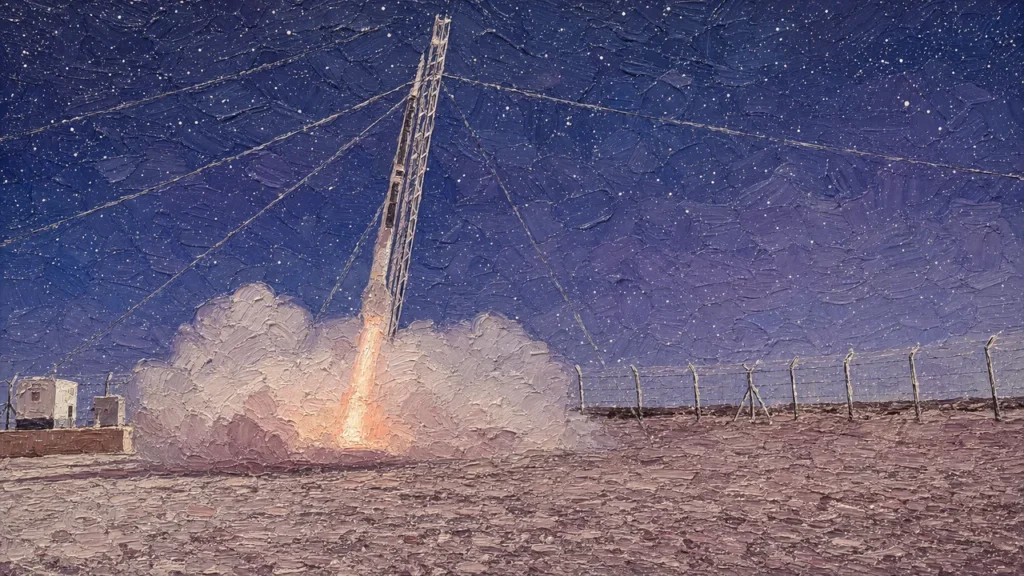
Painted image of the Duqm-1 sounding rocket leaving its launch rail at Etlaq Spaceport in Oman
Research

Middle East launch and Europe

European rockets launched most of the Middle East’s large satellites until 2019. Since 2020 Europe still builds them, SpaceX launches them, and three European launch firms have signed with Oman’s Etlaq spaceport.

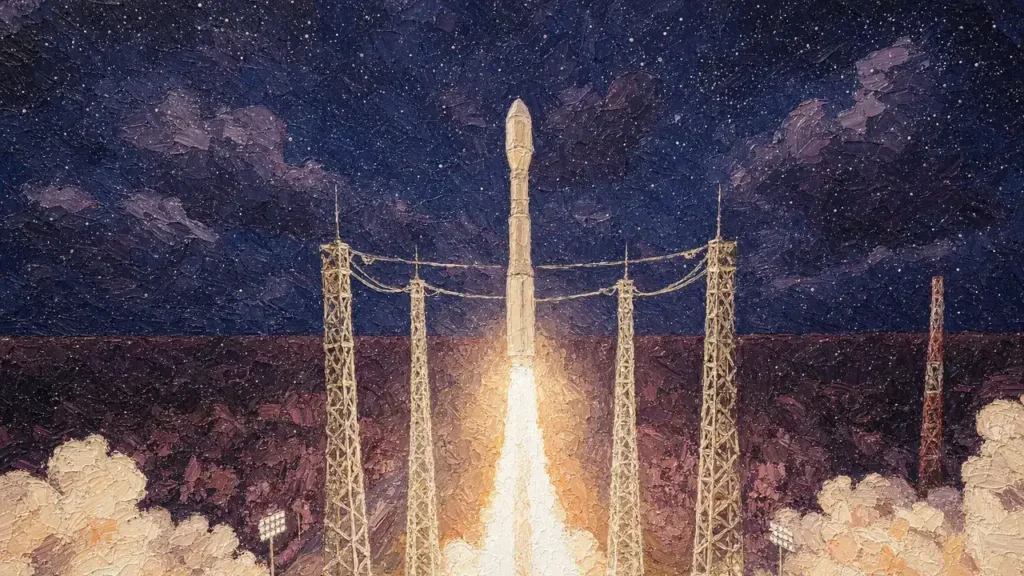
Painting-style illustration: Vega C, a slim single-body rocket, rising between four lattice lightning towers above white smoke at night
Research

Vega C and Avio

Vega C was ordered in 2014 to fly in 2018 and first flew in July 2022. Eight flights, one failure, 715 days on the ground, EUR 87.4 million of public money per successful flight and never more than three launches a year. How Avio and its rocket compare with Electron, Falcon 9 rideshare and China’s small rockets.

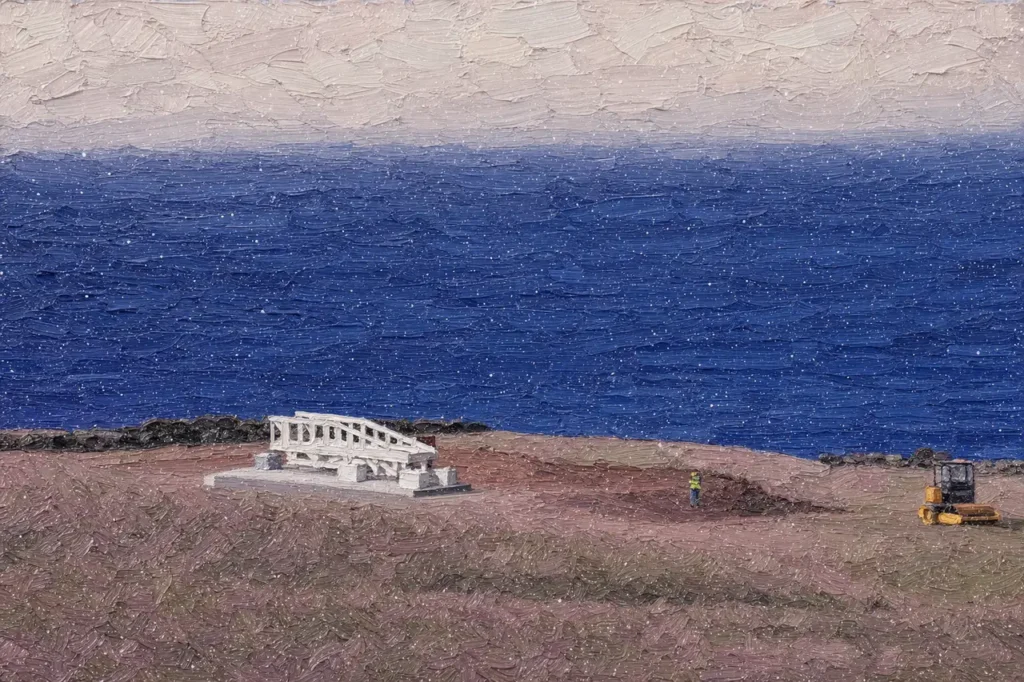
Painting-style illustration: the Malbusca launch site on Santa Maria, a concrete slab with a white mobile launch rail on a coastal meadow above the Atlantic
Space Port

Santa Maria Spaceport

Santa Maria in the Azores holds Portugal’s only launch site licence. We look at who runs it, what has flown, who paid and what was promised since 2018.

Painting-style illustration: Ariane 6 with four boosters lifting off between three lightning towers above white smoke and tall grass
Research

Ariane 6

Ariane 6 was ordered in 2014 to fly in 2020 and first flew in July 2024. Nine flights, about EUR 6.6 billion of public commitments, up to EUR 340 million a year in operating support, no published price and no reuse. How it compares with Falcon 9, Vulcan, H3 and China’s rockets.

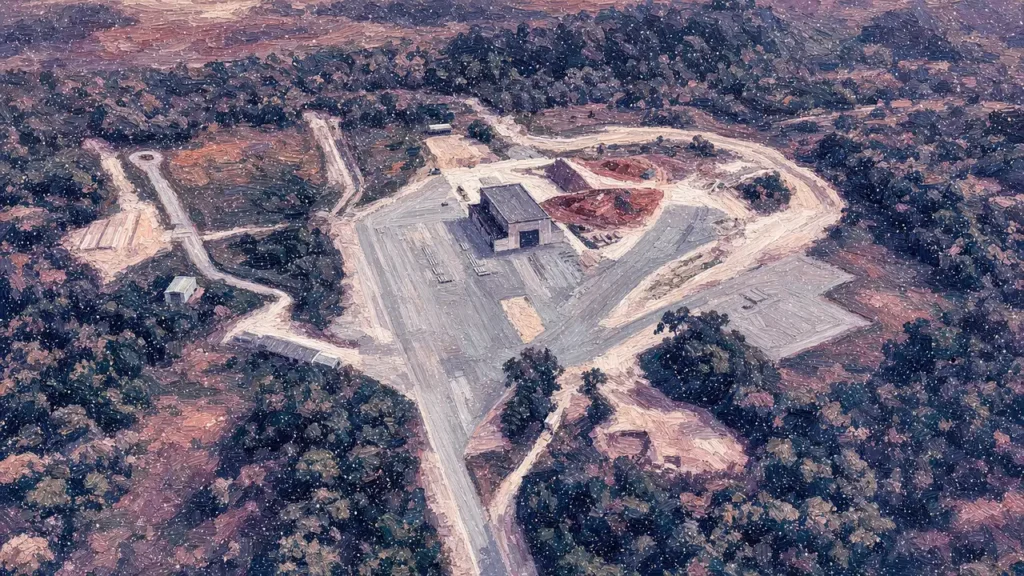
Painting-style aerial view of a cleared launch site with roads and low buildings surrounded by tropical forest near the coast in French Guiana
Space Port

Guiana Space Centre (Kourou)

Europe’s spaceport in French Guiana flew 7 launches in 2025, against 11 a year a decade ago. Its new small-launcher pads were promised for 2024 and have hosted no launch. Who holds the slots, who pays for the base, and how it compares with Florida, China’s Hainan and Rocket Lab.

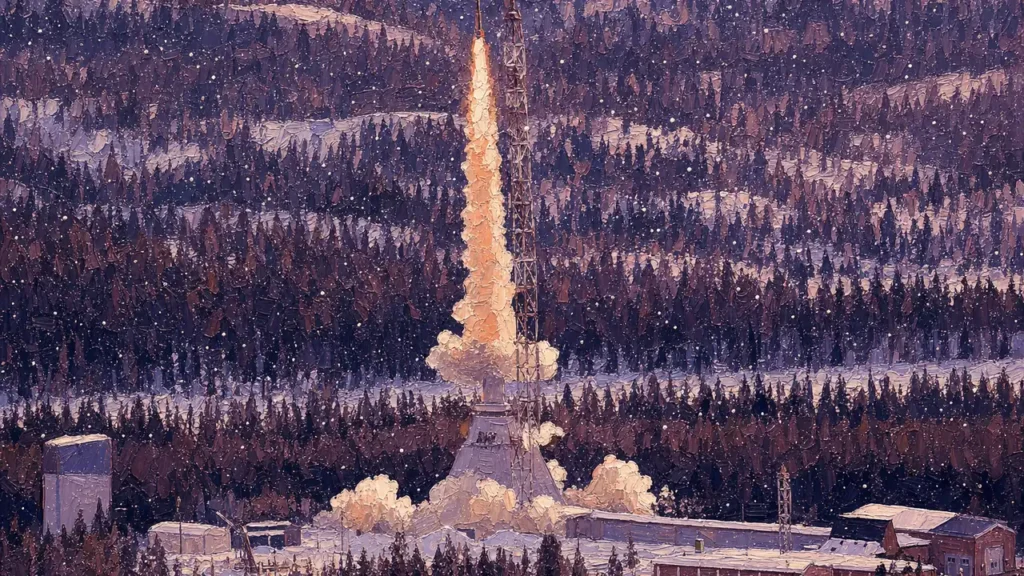
Painting-style illustration: TEXUS 50 sounding rocket lifting off at Esrange Space Center in winter
Space Port

Esrange Space Center

Esrange near Kiruna has launched more than 600 sounding rockets but no orbital rocket. The first orbital launch, promised for 2020, is now set for 2028, paid for by the Swedish state.

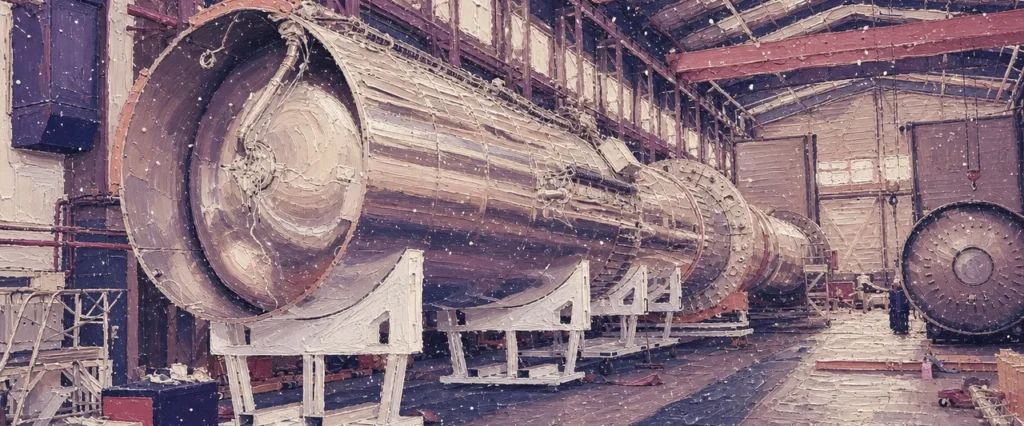
Painting-style illustration: the full Maia rocket lying on white cradles in a long factory hall
Space Companies

MaiaSpace

MaiaSpace, ArianeGroup’s 100% subsidiary, has not flown as of October 2026. Its accounts show EUR 85 million of losses against EUR 83 million paid in, negative equity and EUR 180 million of customer advances, while the first flight moved to the second half of 2027.

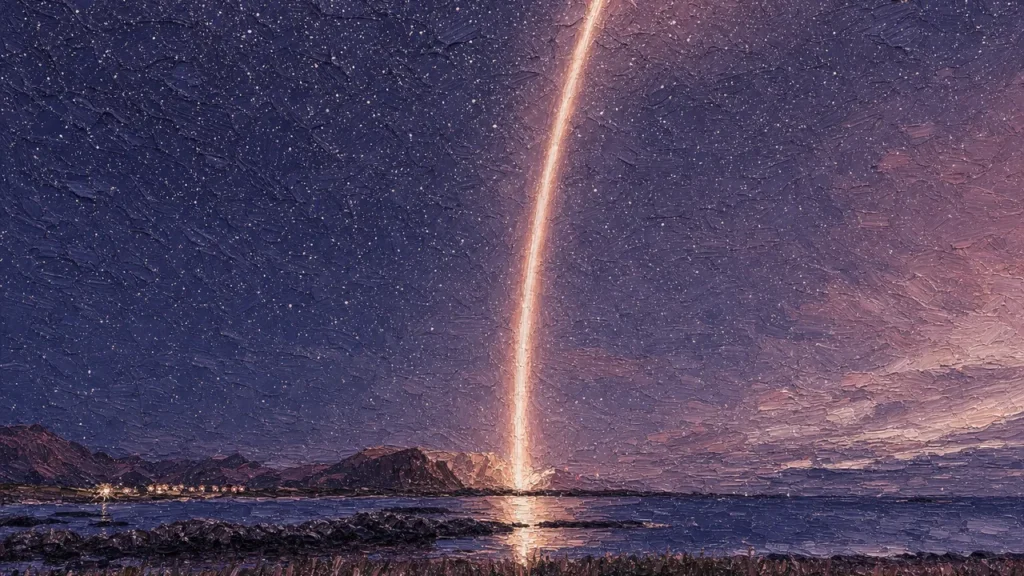
Painting-style illustration: a rocket's bright launch trail rising over a bay and mountains at Andøya at night
Research

European Launcher Challenge

ESA’s European Launcher Challenge pays private rocket firms for launches and upgrades once they reach orbit. EUR 902 million pledged, EUR 543.6 million signed, one orbit so far. Who got what, how it compares with NASA’s COTS, and what to watch before the end-2027 deadline.

Scroll to Top